By Tim Feldkamp
October 16, 2026
Breakdowns rarely happen at a convenient time. A vehicle may lose power while commuting home, develop a flat tire after work, or become disabled by a collision just when roads are busiest. When that happens, having a plan can reduce stress and help you make informed decisions while waiting for assistance. A little preparation before leaving home can make an unexpected roadside problem easier to manage, especially when schedules are already tight.
According to World Metrics, towing services experience their highest demand between 3:00 PM and 7:00 PM on weekdays, when 28% of daily calls are received. This concentration of calls means that afternoons and early evenings can be especially active for roadside providers.
Knowing when demand tends to rise is useful, but it does not mean every request during those hours will take the same amount of time. Traffic, weather, accident volume, vehicle type, distance, and the number of active service calls can all affect response times. Preparing before a problem occurs gives drivers more options when schedules become less predictable.
Planning Ahead During Towing Peak Hours
Breakdowns rarely happen at a convenient time. A vehicle may lose power while commuting home, develop a flat tire after work, or become disabled by a collision just when roads are busiest. When that happens, having a plan can reduce stress and help you make informed decisions while waiting for assistance.
Knowing when demand tends to rise is useful, but it does not mean every request during those hours will take the same amount of time. Traffic, weather, accident volume, vehicle type, distance, and the number of active service calls can all affect response times. Preparing before a problem occurs gives drivers more options when schedules become less predictable.
Checking Vehicle Condition Before Towing Needs
Preventive vehicle care can help reduce the likelihood of an unexpected breakdown. Drivers should follow the maintenance schedule recommended by the vehicle manufacturer and pay attention to warning lights, unusual sounds, changes in handling, and other signs that something may need professional attention.
Seasonal conditions can affect vehicle reliability. In colder months, batteries may struggle to provide sufficient power, while snow, ice, and freezing temperatures can worsen existing mechanical issues. Warmer weather can place added demands on cooling systems, tires, and batteries during extended trips. Regular inspections are especially helpful before long commutes or road trips.
Checking tire tread and inflation, maintaining adequate fuel levels, and addressing known maintenance concerns can improve reliability. While these steps cannot prevent every breakdown, they can reduce the chance of being caught unprepared.
Monitoring Weather Before Towing Requests
Weather and traffic deserve attention when planning a trip during busy hours. Rain can reduce visibility and increase stopping distances, while snow and ice can create hazardous road conditions. Heavy traffic may also turn a short trip into a much longer drive, increasing the amount of time a vehicle spends on the road.
Before leaving, drivers can review local weather forecasts and traffic conditions through reliable public sources. If severe weather is expected, allowing additional travel time or postponing a nonessential trip may help reduce exposure to difficult driving conditions.
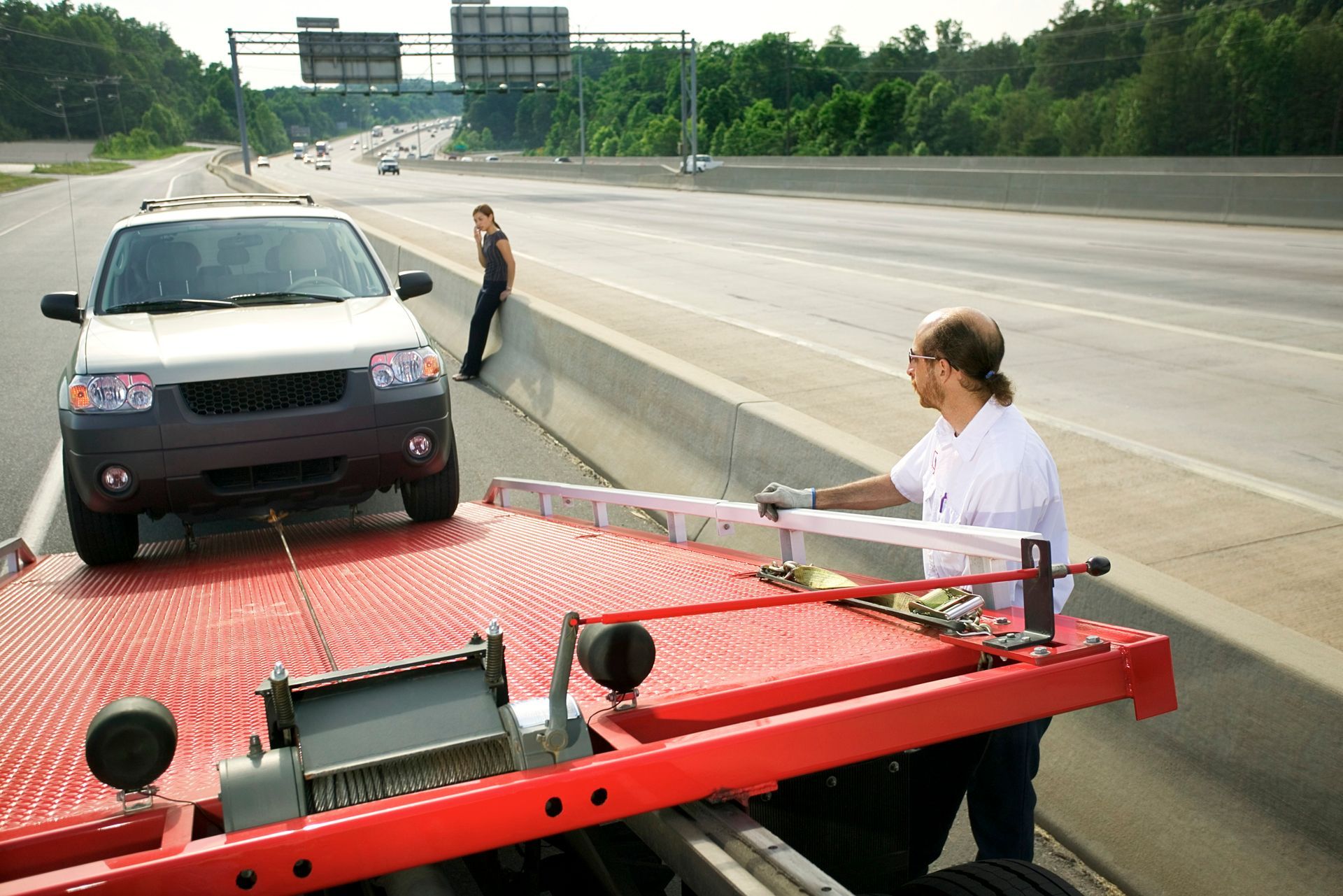
When conditions change unexpectedly, safety should take priority over keeping a schedule. Drivers who encounter a vehicle problem should move to a safe location when possible, turn on hazard lights, and remain aware of surrounding traffic. If the vehicle cannot be moved safely, occupants should avoid standing near moving traffic and follow guidance from emergency personnel or roadside professionals.
Preparing Information for Towing Assistance
Having important information readily available can make a service request more efficient. Drivers should know the vehicle's make, model, year, color, and license plate information. It is also helpful to know the exact location, nearby landmarks, direction of travel, and whether the vehicle is parked, disabled on a shoulder, or involved in a collision.
Describing the problem clearly can also help the service provider understand what type of assistance may be appropriate. For example, a vehicle that will not start may require different equipment or procedures than a vehicle involved in a collision. If the driver is unsure about the mechanical issue, simply describing what happened and what the vehicle is doing can still provide useful information.
Keeping insurance and roadside assistance information accessible is another practical step. Some drivers have coverage through an auto insurance policy, vehicle warranty, membership program, or another service. Reviewing those benefits before an emergency can help clarify what is covered and which providers may be available.
Choosing Safe Towing Support During Delays
When a vehicle becomes disabled during high-demand hours, drivers may feel pressure to make a quick decision. Safety should remain the first consideration. If the vehicle is in a dangerous location, the priority is getting occupants away from immediate traffic hazards rather than waiting beside the vehicle unnecessarily.
It is also important to communicate accurately with the service provider. Providing the vehicle's location and condition, along with any relevant circumstances, can help the dispatcher understand the request. If a vehicle is in a difficult position, such as a narrow shoulder or an area affected by an accident, mentioning those details can help the provider prepare appropriately.
Drivers should also be cautious about accepting assistance from unknown individuals who approach after a collision or breakdown. When possible, confirm the identity of the service provider before allowing work to begin. Clear communication can help protect both the driver and the vehicle during an already stressful situation.
Staying Ready During Seasonal Travel
Seasonal travel can change driving patterns and road conditions. In winter, shorter daylight hours, freezing temperatures, and snow or ice can increase the challenges associated with a roadside emergency. In spring and summer, construction zones, vacation traffic, severe storms, and longer trips can create different risks.
Packing an emergency kit can provide valuable support while waiting for professional assistance. Useful items may include a flashlight, reflective materials, warm clothing or blankets, drinking water, a phone charger, and basic first-aid supplies. Drivers should adjust the kit based on the season, route, passengers, and expected weather conditions.
Families, older adults, people with disabilities, and those traveling with children or pets may have additional needs during an unexpected delay. Preparing for these needs ahead of time can make an inconvenient situation easier to manage. For longer trips, sharing travel plans with a trusted person can provide an added layer of preparedness.
Communicating Clearly During a Service Call
Once assistance has been requested, keeping communication clear can help reduce confusion. Drivers should keep their phone available and monitor messages or calls from the provider. If the vehicle's location changes, the driver should update the provider promptly.
Location accuracy is important in parking areas, multi-lane roads, highways, and unfamiliar neighborhoods. Nearby businesses, intersections, exits, or landmarks can help identify the vehicle's position. When safe, sharing a precise phone location can provide additional clarity.
Drivers should follow safety instructions from the responding professional, remain in a secure area, avoid traffic lanes, and give the service vehicle enough space. During busy periods, patience and clear communication can help the process go smoothly.
Reducing Stress Through Preparation
Being stranded during busy hours can feel overwhelming, particularly when the vehicle is blocking traffic or the driver is trying to reach work, school, an appointment, or home. Preparation cannot prevent every roadside emergency, but it can make the situation easier to navigate.
Drivers can improve their readiness by maintaining their vehicles, paying attention to seasonal conditions, keeping essential information accessible, and knowing whom to contact when professional help is needed. These simple preparations can save valuable time when an unexpected problem occurs.
High-demand periods are a normal part of roadside service, and a longer wait is not always avoidable. However, understanding when demand may be elevated and preparing accordingly can help drivers respond calmly and safely. For dependable assistance when vehicle trouble interrupts your plans, contact Feldkamps Towing for professional roadside support and towing service.