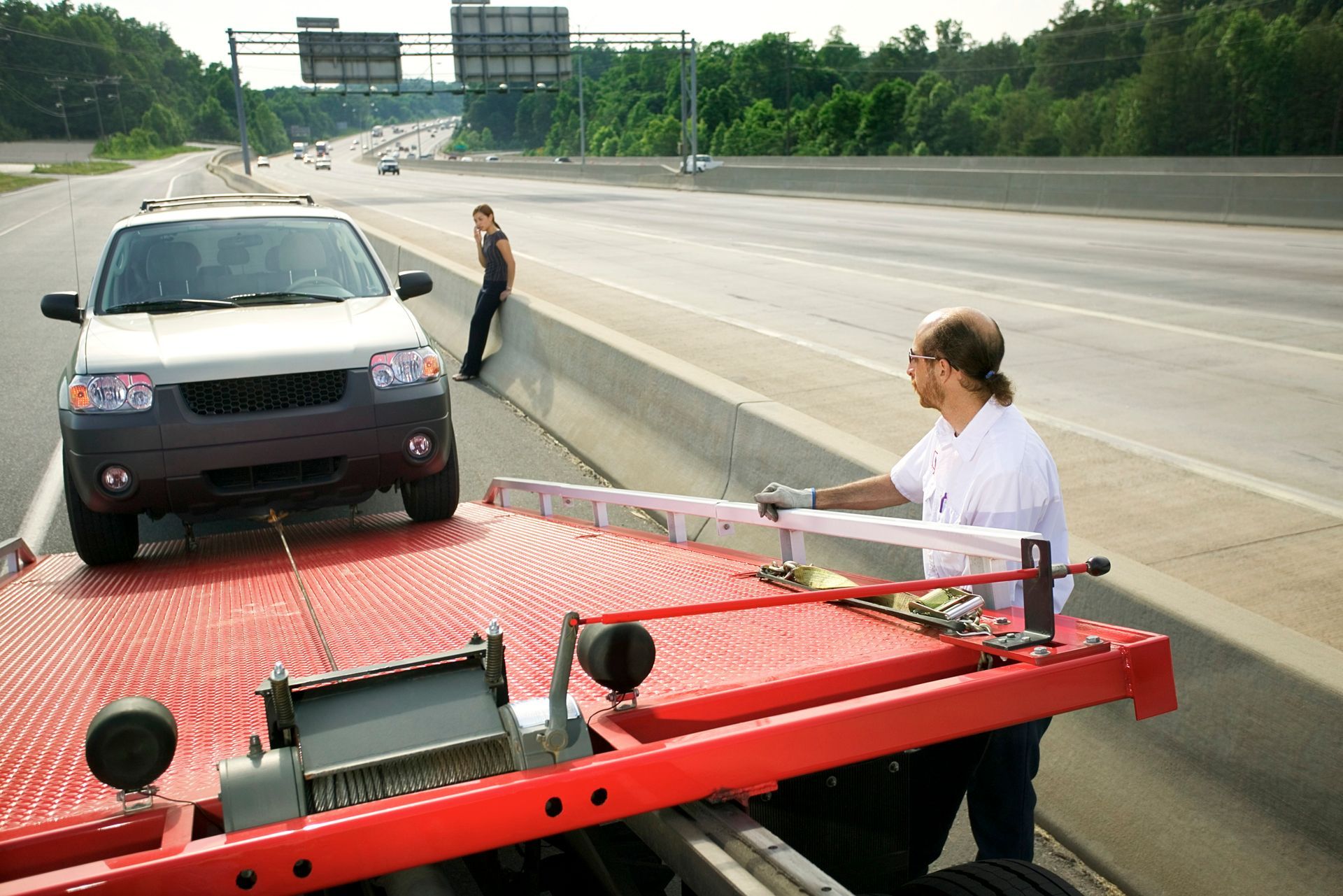
Unexpected vehicle breakdowns, roadside accidents, and mechanical failures can happen at the most inconvenient times imaginable, leaving drivers stranded far from home and facing uncertain situations on the side of the road. Having a trustworthy contact saved in your phone ahead of time can turn a potentially chaotic ordeal into a manageable situation. Navigating these stressful circumstances requires a clear understanding of what happens when you decide to request assistance from professional roadside support teams. Preparing yourself in advance by understanding response protocols, service capabilities, fee structures, and safety standards ensures that you make informed decisions when you are stranded on the shoulder of a busy highway or in an unfamiliar parking area.
When vehicle trouble occurs unexpectedly, having a comprehensive action plan makes a substantial difference in reducing hassle, protecting your valuable automobile, and guaranteeing personal safety throughout the ordeal. Knowing exactly who to call minimizes stress and keeps you focused on getting off the road quickly. Specialized transport operators provide crucial assistance during emergencies, safely removing disabled vehicles from hazardous traffic lanes and transporting them directly to repair facilities or secure storage locations. By familiarizing yourself with standard operating practices, insurance frameworks, pricing models, and service options, you can effectively evaluate local operators and select a dependable team that aligns perfectly with your specific vehicle requirements and budget expectations. Having this knowledge ready before an emergency occurs eliminates panic, saves valuable time, and streamlines the entire recovery process.
Understanding the Various Types of Transport Solutions
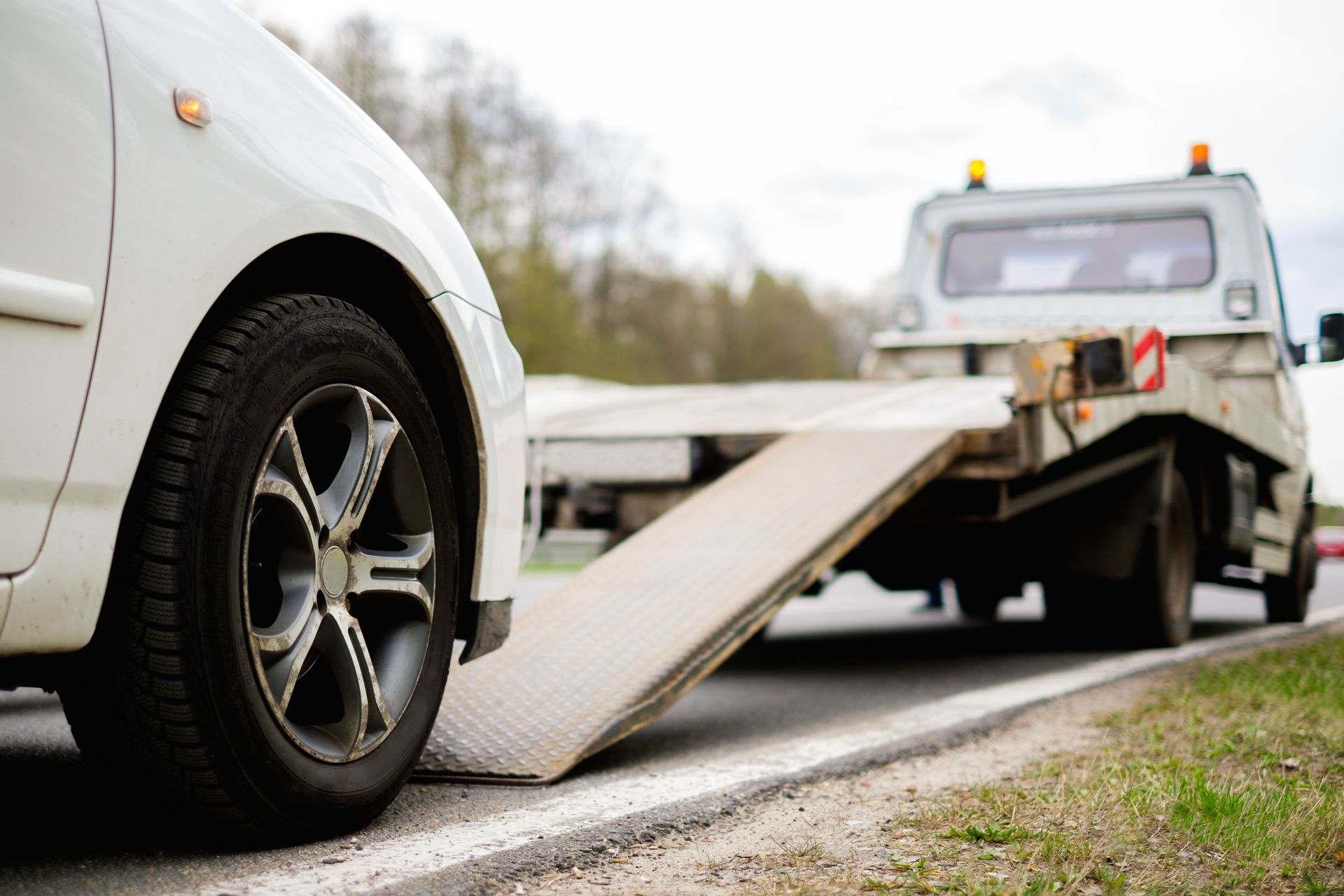
Navigating the various categories of vehicle assistance services is essential for matching your specific breakdown situation with the appropriate specialized equipment. Identifying whether your vehicle requires standard or specialized equipment will help dispatchers send the correct rig immediately. Light-duty transport represents the most common service tier, specifically designed for passenger sedans, compact crossovers, sports cars, and small pickup trucks. These operators utilize specialized flatbed or wheel-lift equipment engineered to safely handle vehicles under ten thousand pounds. Proper vehicle matching prevents frame strain and protects vulnerable drivetrain components during transit across local roadways and congested city streets.
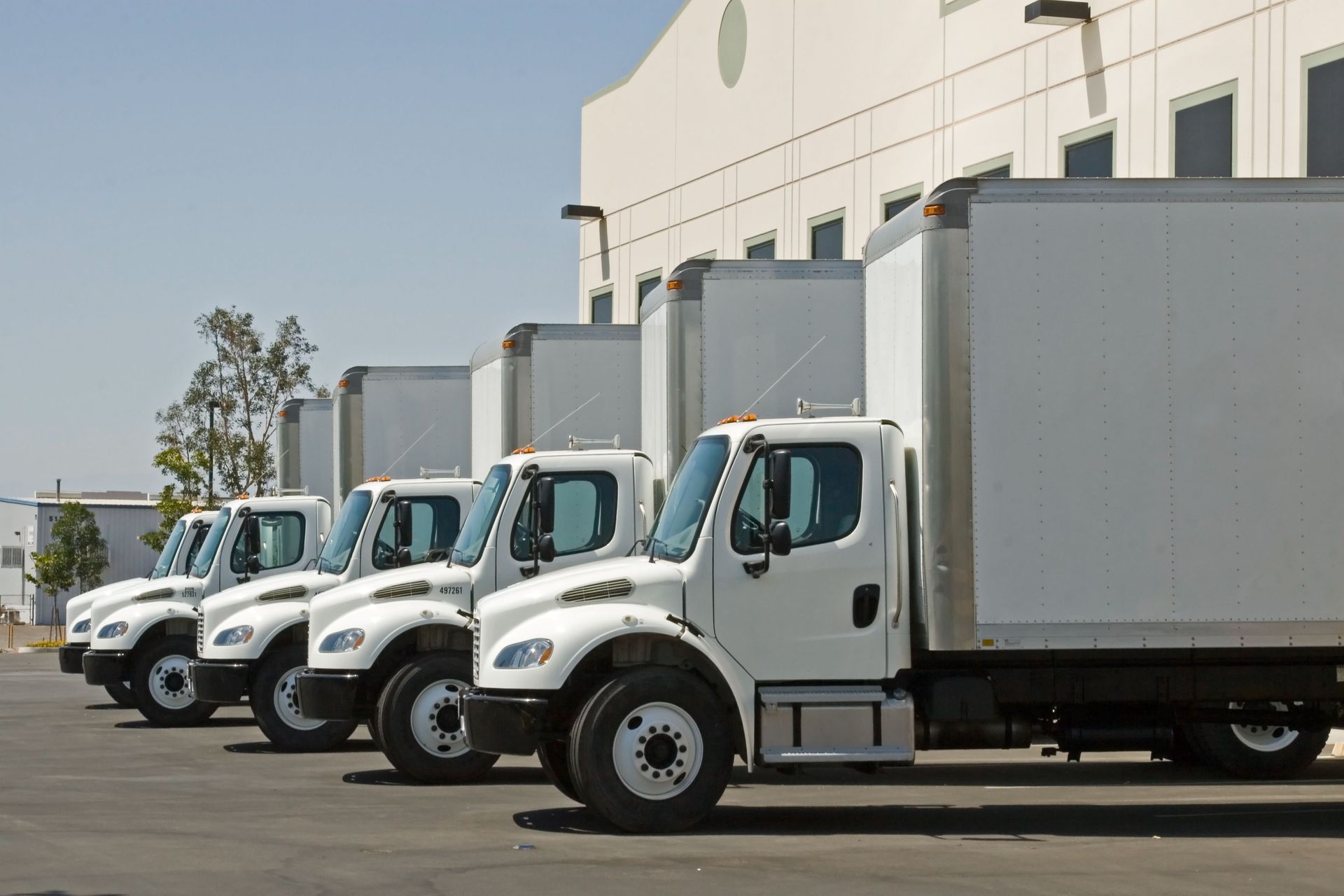
According to World Metrics, the average towing distance for light-duty vehicles in the U.S. is 7.2 miles. This statistic highlights the typical range these services cover, ensuring efficient and speedy responses. Understanding this range can help gauge suitable services when planning for potential towing needs. Knowing these mileage averages allows you to better estimate total costs when service calls extend beyond standard local boundaries. Beyond light-duty options, medium-duty and heavy-duty categories support commercial delivery vans, motorhomes, freight trucks, and industrial equipment. Choosing a provider equipped with the proper machinery guarantees that your vehicle receives safe handling tailored specifically to its dimensions and weight class, preventing unnecessary wear or accidental damage during transport.
Evaluating Pricing Structures and Standard Fees
Navigating the financial aspects of professional roadside assistance requires a clear comprehension of common billing methods, base rates, and variable fees. Asking direct questions about cost breakdowns before confirming service prevents unexpected surprises on the final invoice. Standard pricing models generally fall into two primary categories: flat-rate structures and per-mile fees. Flat rates establish a single predetermined charge for short-distance transport within a defined local service radius, providing predictable costs for basic urban transport needs. Per-mile models charge a baseline hookup fee combined with an incremental rate for every mile traveled, making them ideal for long-distance transport needs across municipal boundaries or county lines.
Uncovering potential secondary charges is equally important when requesting financial estimates prior to service dispatch. Clarifying all extra operational costs upfront gives you complete control over your budget during a high-stress moment. Additional costs can arise from complex recovery operations such as winching vehicles out of deep mud, righting overturned automobiles, operating during late-night hours, or navigating steep terrain. Requesting an itemized verbal or written breakdown before dispatch confirms all prospective service fees and eliminates surprise expenses upon arrival. Furthermore, confirming whether your vehicle insurance policy or roadside assistance program offers reimbursement options helps minimize direct out-of-pocket expenditures during unexpected road emergencies, ensuring complete financial transparency throughout the transaction.
Assessing Provider Reputation and Industry Credentials
Checking the track record and professional qualifications of local operators helps ensure high-quality service and proper handling of your property. Reviewing recent customer feedback gives valuable insight into how an operator treats both clients and their vehicles. Customer feedback published across independent review platforms, consumer advocacy sites, and local business directories provides valuable insights into punctuality, staff professionalism, and equipment care. Consistent positive feedback regarding rapid response times and courteous communication indicates a well-managed operation that values customer satisfaction and operational excellence across all aspects of their daily operations.
Verifying industry certifications and active trade memberships further confirms a provider's commitment to safety and modern technical standards. Checking for proper credentials gives you confidence that the technicians handling your vehicle follow industry best practices. Accreditation from national bodies like the Towing and Recovery Association of America demonstrates that dispatchers and operators undergo rigorous formal training and adhere to strict ethical benchmarks. Additionally, seasoned companies with established operational histories possess the practical knowledge required to overcome unexpected recovery challenges efficiently while maintaining proper care for your vehicle throughout the transport process, giving you complete peace of mind.
Prioritizing Safety Standards and Legal Protections
Confirming proper licensing, active registration, and comprehensive insurance coverage is vital before authorizing any vehicle movement. Taking a few moments to confirm these credentials protects you against unexpected damages and financial liabilities. Professional transport companies maintain active state or municipal operational permits that validate compliance with local transport regulations and environmental safety guidelines. Requesting proof of general liability coverage and hookup insurance protects you from financial liability in the rare event that your automobile incurs damage during loading, transit, or unloading procedures.
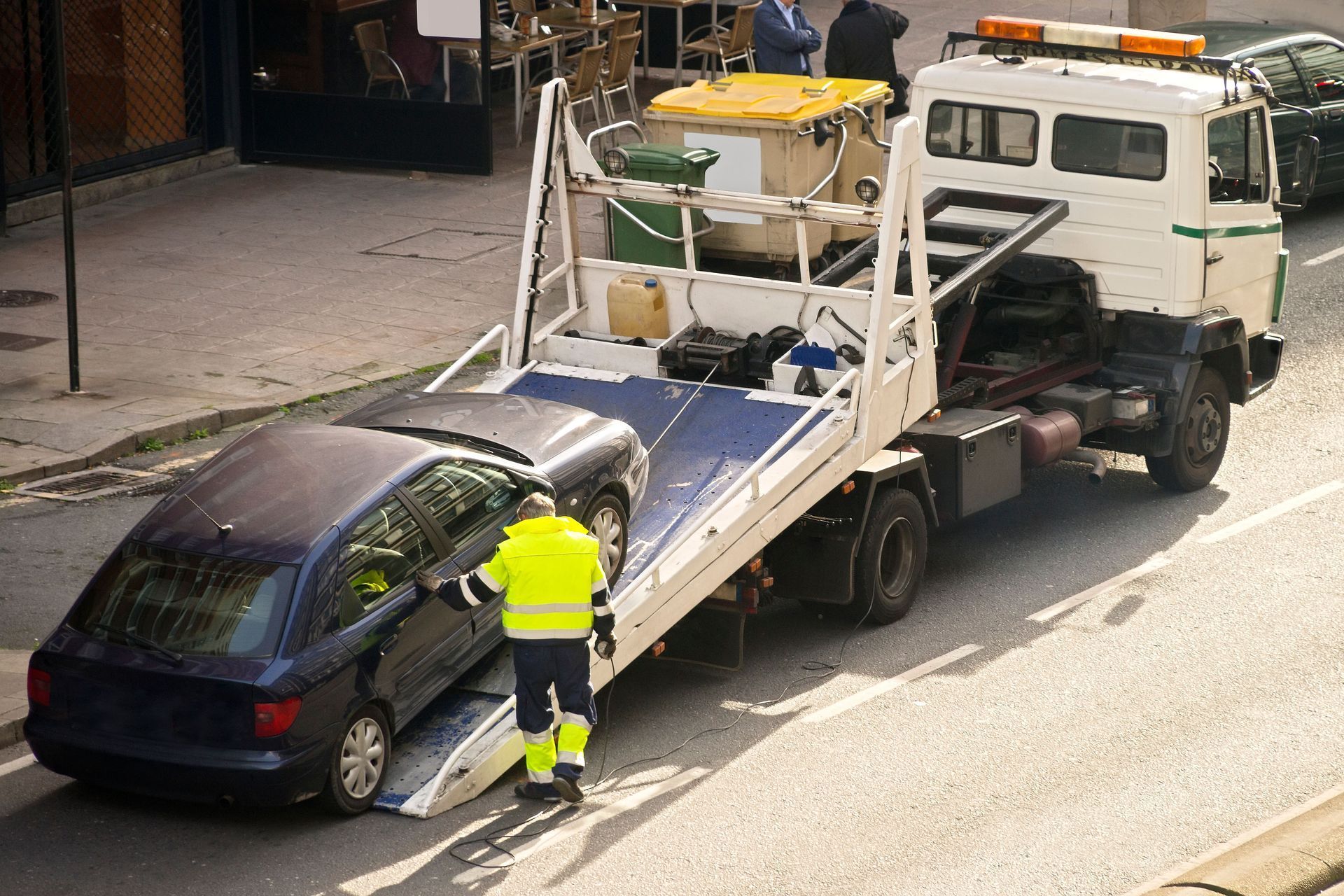
Evaluating equipment condition and staff training protocols provides additional assurance during high-stress roadside situations. Observing how an operator manages their tools and secures your automobile offers quick proof of their professionalism. Reputable companies maintain rigorous inspection schedules for their fleet vehicles, ensuring that winches, hydraulics, chains, and tie-down straps remain in prime operational condition at all times. Well-trained operators follow standardized safety protocols, including wearing high-visibility safety gear, utilizing proper warning lights, and securing vehicles with industry-approved anchor points to guarantee total security throughout the entire transport process from pickup to final delivery.
Navigating Emergency Responses and Service Availability
Securing prompt assistance during nighttime breakdowns or adverse weather conditions requires a provider offering continuous operational availability. Choosing an operator with a reliable dispatch team ensures that help is always only a phone call away. Around-the-clock dispatch centers ensure that stranded drivers receive immediate attention regardless of the hour, significantly reducing wait times along isolated or dangerous road stretches. Evaluating typical response times and local geographic coverage helps identify companies capable of reaching your location quickly during unexpected roadside emergencies, ensuring that help arrives when you need it most without unnecessary lingering in unsafe conditions.
Maintaining clear communication with the dispatch team accelerates the recovery process and ensures the correct equipment arrives at your location. Staying calm and providing detailed visual landmarks helps the driver locate your vehicle as quickly as possible. When placing a call, provide precise location details, highlight potential hazards, describe your vehicle make and model, and explain the exact nature of the mechanical breakdown. Accurate initial reporting enables the service team to deploy the correct equipment, streamline the recovery process, and safely transport you and your vehicle to your intended destination without unnecessary delays, unexpected complications, or extra expenses.
Preparing for unexpected mechanical breakdowns by understanding service categories, fee structures, reputational standards, and safety protocols empowers vehicle owners to handle roadside challenges with complete confidence. Knowing what to expect allows you to make informed decisions quickly, safeguarding your automobile while ensuring rapid and stress-free transport to a secure repair facility. For reliable, professional, and efficient roadside assistance tailored to your exact needs, turn to Feldkamps Towing for prompt emergency support and expert
towing solutions whenever you need them most.